
Center for Indigenous Studies
Anchored in the lived realities and cultural heritage of the Agta-Tabangnon and Agta-Cimarrones communities, the center will serve as a dedicated space for responsive research and needs-based extension work. PCIS aims to deepen culturally grounded instruction, promote ethical and collaborative research practices, and support the production of knowledge rooted in Indigenous epistemologies. This initiative reflects ParSU’s evolving role in advancing inclusive education and community-engaged scholarship within the Bicol Region.
Vision
To be a leading center for Indigenous Studies in the Bicol Region, recognized for its commitment to ethical research, community engagement, and the preservation and revitalization of Indigenous Knowledge Systems.
Mission
To promote rigorous, community-engaged research, strengthen extension services, build capacity within indigenous communities, and promote environmental responsibility through the integration of Indigenous ecological knowledge.
Goals
The ParSU Center for Indigenous Studies (PCIS) will pursue the following goals:
1. Advancing Research:
- Conduct interdisciplinary research on indigenous languages, rituals, histories, and ways of life, with emphasis on the Agta-Tabangnon and Agta-Cimarrones Peoples.
- Support interdisciplinary studies integrating archaeology, history, linguistics, and cultural anthropology.
- Establish a repository of Indigenous Knowledge in the Partido District.
2. Strengthening Extension Services:
- Develop and implement outreach programs that respond to the needs of indigenous communities.
- Implement cultural revitalization initiatives, participatory documentation, and heritage education.
- Serve as a conduit between the university and local indigenous stakeholders.
3. Capacity Building:
- Provide training, mentorship, and educational resources for indigenous youth, elders, and community leaders.
- Facilitate workshops, seminars, and establish collaborative learning spaces that empower indigenous knowledge holders and promote intergenerational transmission.
4. Promoting Environmental Responsibility:
- Integrate indigenous ecological knowledge into environmental education, conservation efforts, and climate resilience strategies.
- Advocate for sustainable practices rooted in indigenous worldviews.
- Support community-led stewardship of ancestral lands.
Research Priority Areas
The research priorities of PCIS are shaped by the lived realities, aspirations, and cultural integrity of the Agta-Tabangnon and Agta-Cimarrones communities. These areas are not abstract categories—they are grounded in decades of community engagement, cultural witnessing, and the urgent need to protect and revitalize Indigenous lifeways in Partido.
Indigenous Languages, Rituals, Histories, and Ways of Life: PCIS will continue the work of documenting and revitalizing endangered languages like Inagta Partido, while deepening research on oral traditions, ritual speech, and ancestral practices. These efforts are not just academic—they are acts of cultural survival. The center will draw from archaeology, history, linguistics, and anthropology to help reconstruct and affirm Indigenous narratives that have long been overlooked or misrepresented.
Traditional Knowledge Systems and Ecological Stewardship: The wisdom embedded in Indigenous ecological knowledge offers pathways for sustainable living that modern frameworks often miss. PCIS will work with communities to document these systems, especially in relation to Mt. Isarog Natural Park, and explore how they can inform conservation, climate resilience, and environmental education rooted in cultural values.
Agta-Tabangnon and Agta-Cimarrones Identity and Cultural Continuity: Understanding identity is central to cultural preservation. PCIS will support research that explores how these communities define themselves—through memory, language, territory, and tradition—while also confronting the pressures of displacement, marginalization, and cultural erosion. This work will inform both policy and pedagogy.
Interdisciplinary and Transdisciplinary Research: The complexity of Indigenous experience demands approaches that cross disciplinary boundaries. PCIS will foster collaborations among archaeologists, linguists, environmental scientists, and cultural practitioners to produce research that is holistic, responsive, and rooted in community realities.
Valorizing Indigenous Epistemologies and Decolonial Methodologies: PCIS is committed to challenging extractive and colonial research models. It will promote Indigenous-led scholarship and methodologies that prioritize relational accountability, reciprocity, and respect. This means centering Indigenous worldviews not just as subjects of study, but as frameworks for knowledge-making.
Culture, Innovation, and Appropriate Technologies: Innovation doesn’t mean abandoning tradition—it means adapting it. PCIS will explore how Indigenous culture can inform development and technology in ways that are culturally appropriate and community-driven. This includes supporting creative expressions and digital platforms that help transmit knowledge across generations.
Gender and Development in Indigenous Contexts: PCIS recognizes the vital roles of Indigenous women play in cultural stewardship, leadership, and resilience. Research will address gender-specific concerns, promote equity, and amplify the voices of women, elders, and youth in shaping community futures.
Extension Priority Areas
The ParSU Center for Indigenous Studies (PCIS) will serve as a dynamic platform for advancing Partido State University’s commitment to responsive, community-rooted extension services. Grounded in the lived realities of the Agta-Tabangnon and Agta-Cimarrones communities, PCIS will strengthen ParSU’s capacity to deliver culturally affirming, ethically guided, and impact- driven programs. The extension priorities of PCIS are organized around the following interrelated themes:
Cultural Revitalization and Participatory Documentation: PCIS will lead initiatives that safeguard and revitalize Indigenous cultures, languages, and ritual traditions through community-led documentation and heritage education. These efforts will ensure that Indigenous knowledge systems are preserved with cultural integrity and transmitted across generations.
Indigenous Education and Curriculum Integration: Extension programs will promote inclusive and culturally grounded education by integrating Indigenous perspectives into formal and non-formal learning environments. PCIS will support curriculum development, teacher training, and community education that foster mutual respect and intercultural understanding.
Capacity Building and Intergenerational Learning: PCIS will facilitate training, mentorship, and collaborative learning spaces for Indigenous youth, elders, and leaders. Through workshops, seminars, and knowledge-sharing platforms, the center will empower communities to sustain and evolve their cultural practices and leadership capacities.
Community Outreach and Responsive Services: PCIS will serve as a conduit for delivering needs-based outreach programs in health, education, and livelihood development. These services will be co-designed with Indigenous stakeholders to ensure relevance, sustainability, and community ownership.
Environmental Education and Indigenous Ecologies: Recognizing the deep ecological knowledge embedded in Indigenous lifeways, PCIS will promote environmental stewardship through culturally informed conservation practices and ecological education rooted in Indigenous worldviews.
Advocacy, Policy Engagement, and Knowledge Sovereignty: PCIS will support Indigenous self-determination by generating policy recommendations, facilitating dialogue with decision-makers, and amplifying community-led initiatives. Research outputs will be mobilized to advance rights-based advocacy and institutional reform.
Collaborative Partnerships and Network Building: PCIS will strengthen linkages with local government units, NGOs, academic institutions, and civil society organizations to enhance the reach and impact of extension services. These partnerships will be grounded in mutual respect, shared goals, and long-term commitment to Indigenous empowerment.
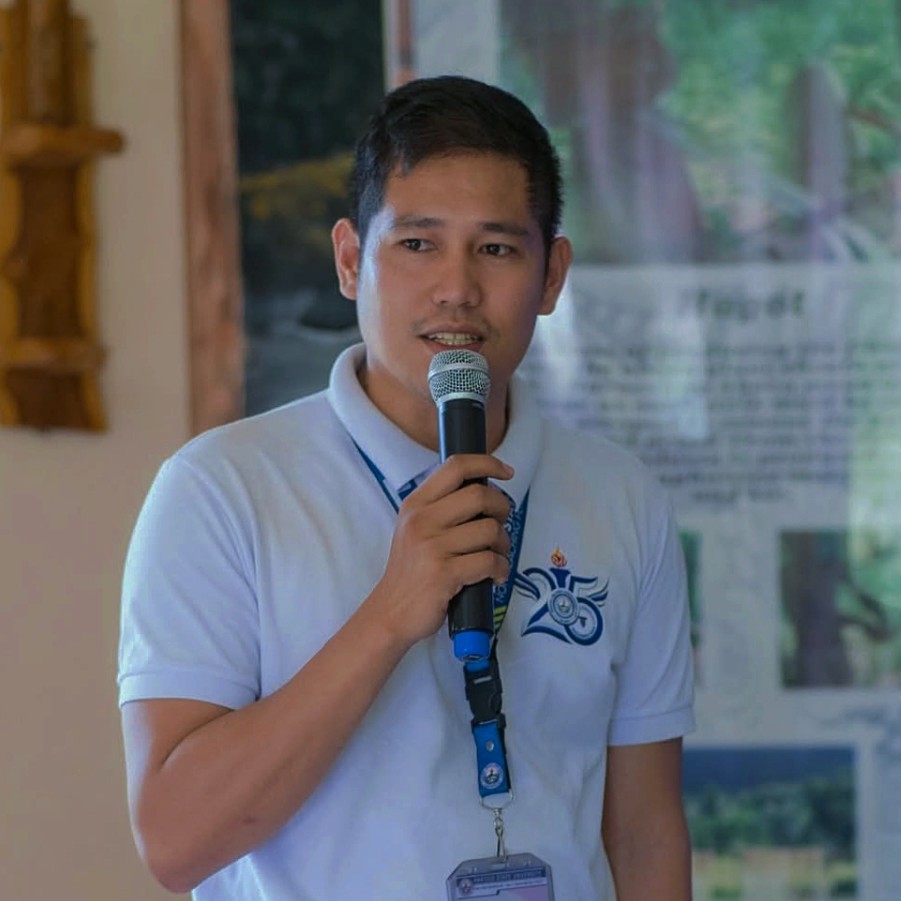
Lito A. Begonia
Center Director
pcis@parsu.edu.ph