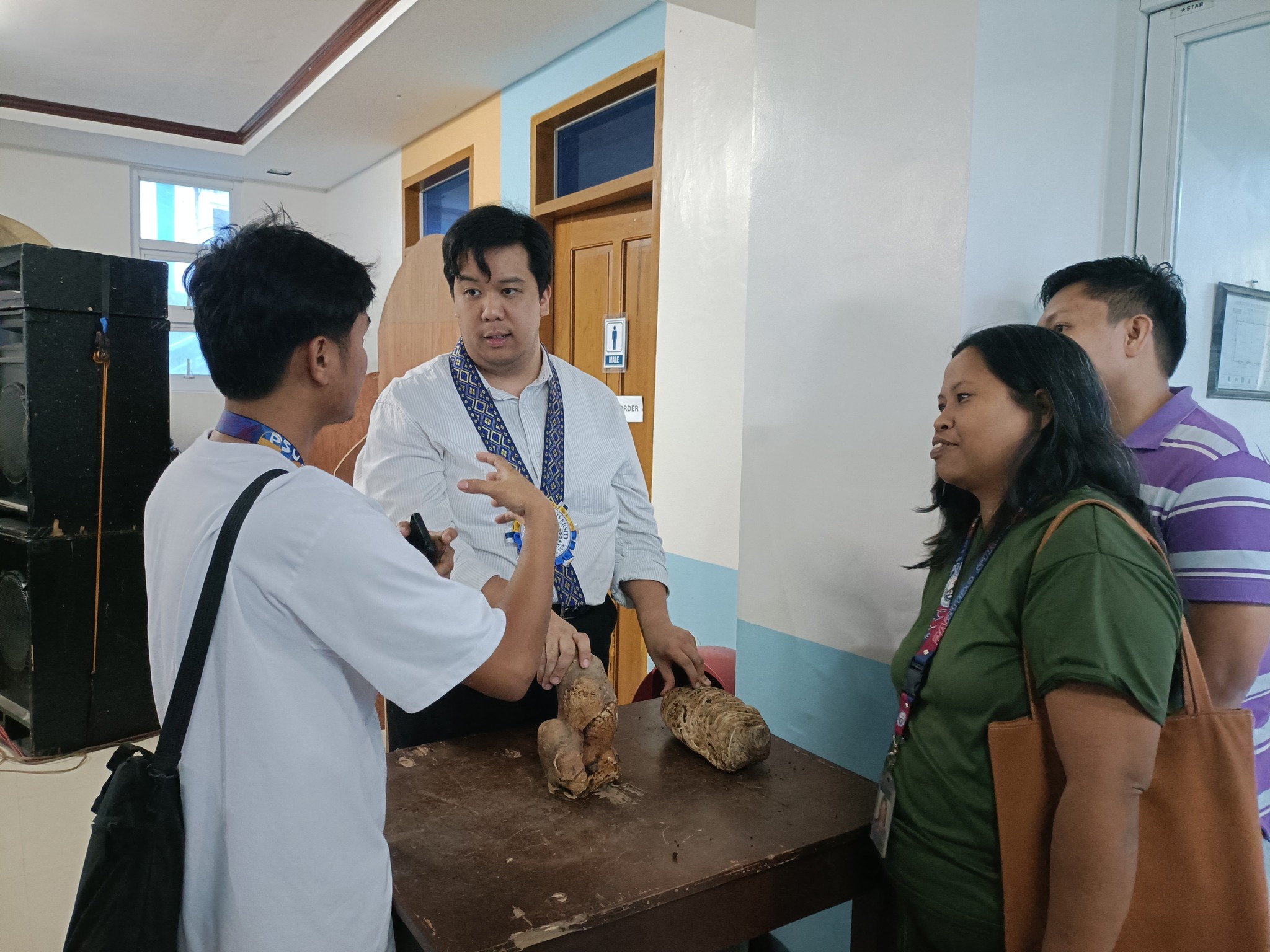
Partido State University (ParsU) strengthened its climate research initiatives through a three-day academic and field engagement with Jahmaine Renzon "Jaren" Yambing, Ph.D. student and paleoclimate researcher from the Massachusetts Institute of Technology (MIT), held from February 10 to 12, 2026.
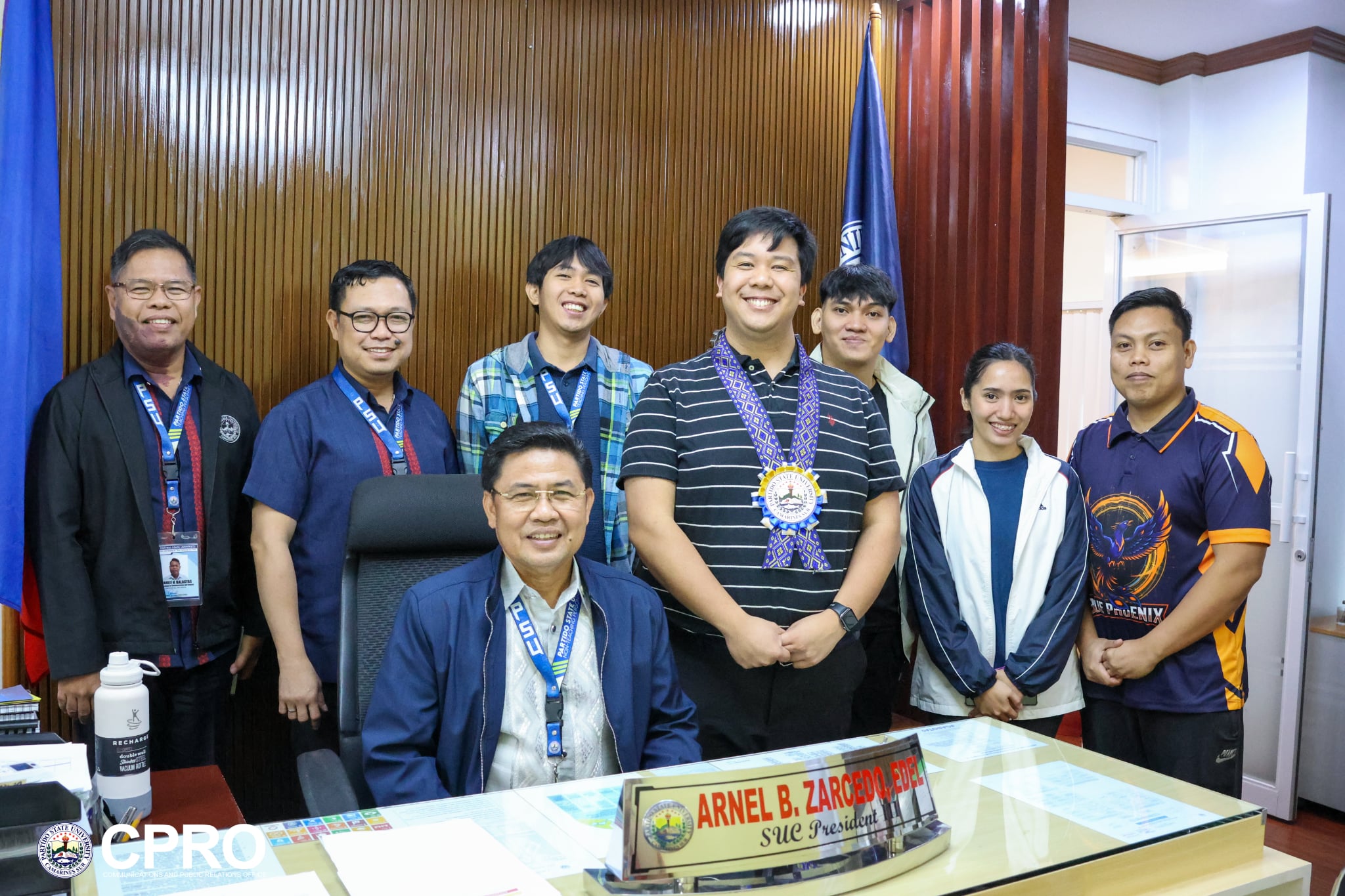
The visit formally began on February 10 with a courtesy call to ParSU President Dr. Arnel B. Zarcedo, who highlighted the significance of such activities as part of the University's strategic thrust to advance interdisciplinary climate science research and strengthen international academic collaborations.
This engagement is part of the Collaborative Paleoclimate Research Lecture Series under the Southeast Asian Climate, Archaeology, and Resilience (SEACARE) Network, an international initiative led by Dr. Stephen B. Acabado of the University of California, Los Angeles (UCLA). Since 2018, UCLA and ParSU have maintained a robust partnership focusing on archaeological research, climate change, cultural heritage management, indigenous knowledge, and capacity-building initiatives across Bicol and other regions of the Philippines.
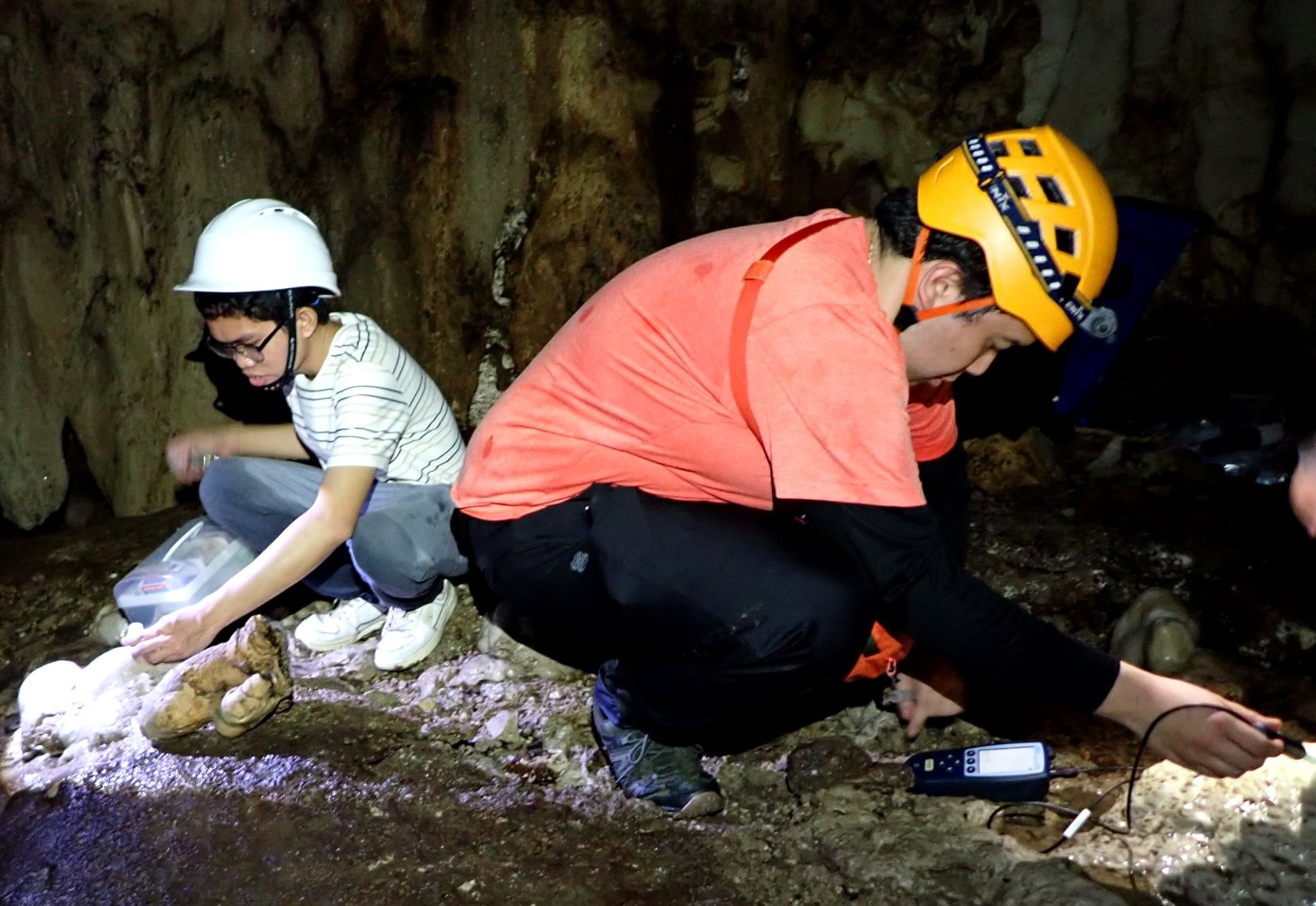
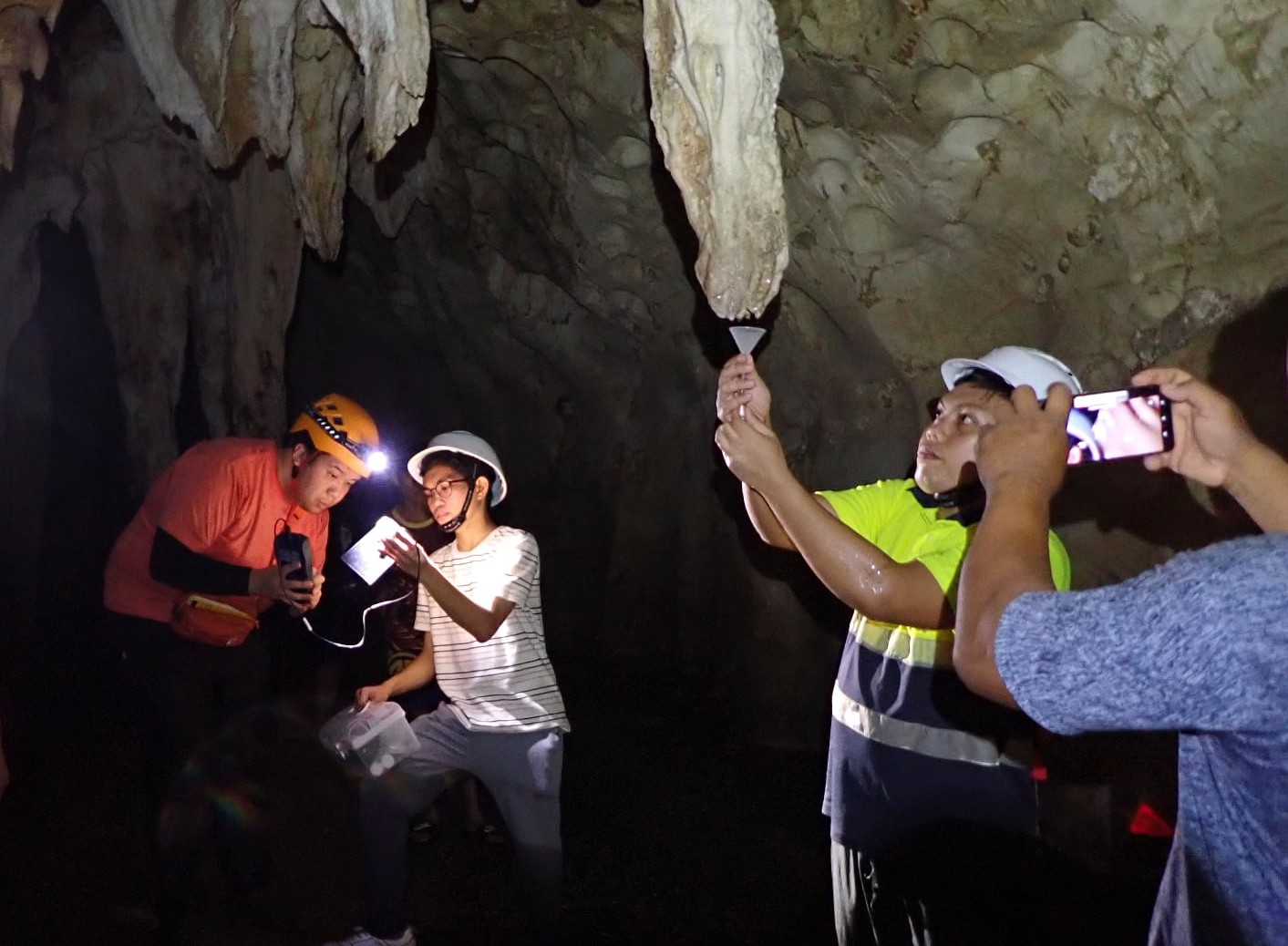
On February 10 and 11, 2026, Jaren Yambing, together with the faculty members from the College of Science and the College of Sustainable Communities and Ecosystem (CSCE), conducted a non-invasive scientific field activity at Adiangao Cave in San Jose and Culapnit Cave in Caramoan, focused on ecological observation and preliminary cave assessment.
The team evaluated key indicators relevant to paleoclimate research, including the presence and condition of speleothems, sediment accumulation patterns, cave morphology, microenvironmental conditions, accessibility, and overall site integrity. Particular attention was given to speleothems, which serve as natural climate archives by preserving long-term environmental records through mineral deposits formed over thousands of years—providing critical proxy data for reconstructing past climate variability, refining regional climate models, and informing future conservation and resilience strategies.
The field activity likewise underscored adherence to ethical research protocols and responsible environmental stewardship, ensuring that all observational procedures complied with conservation standards and safeguarded the ecological integrity of the cave system.
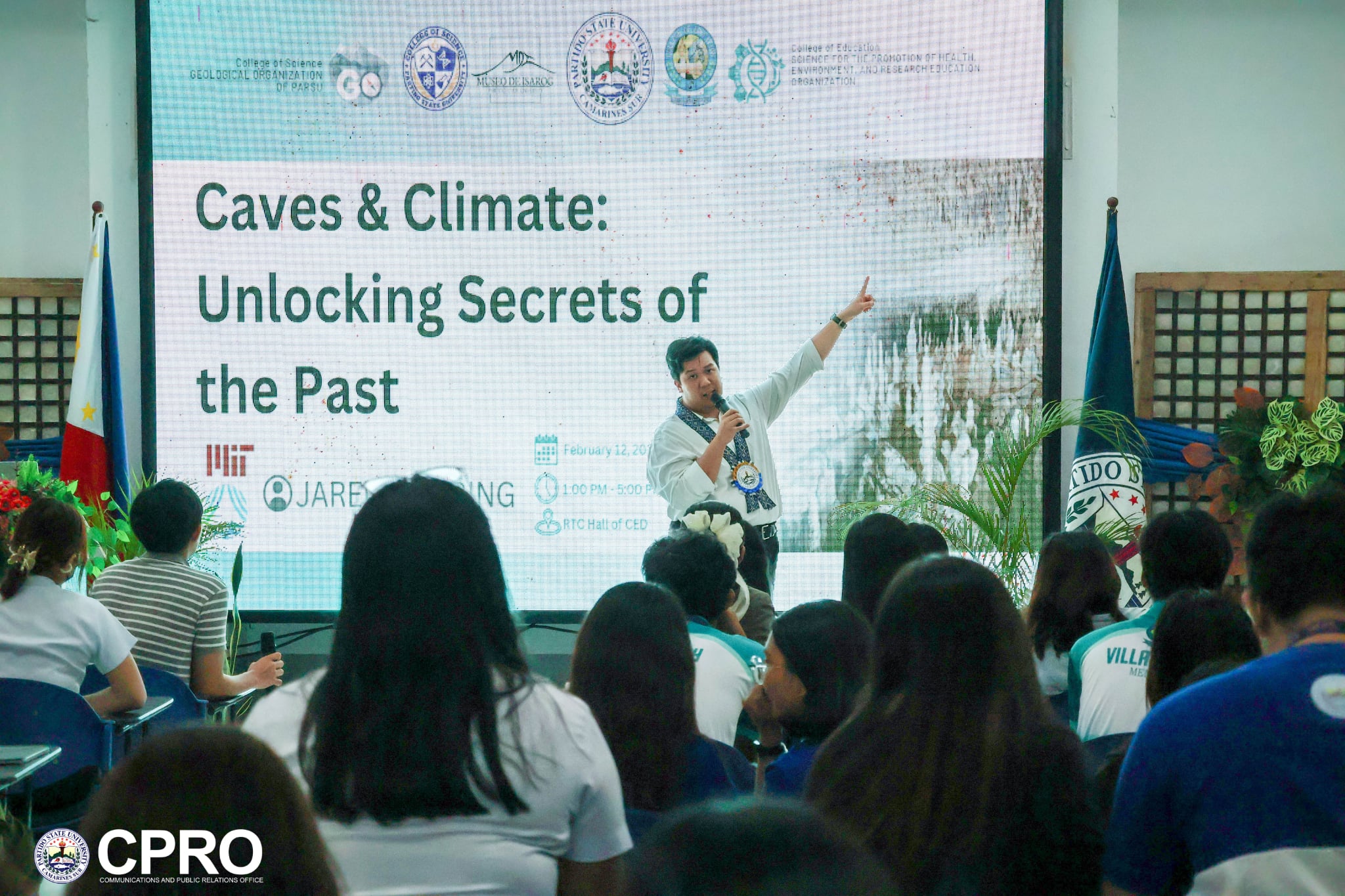
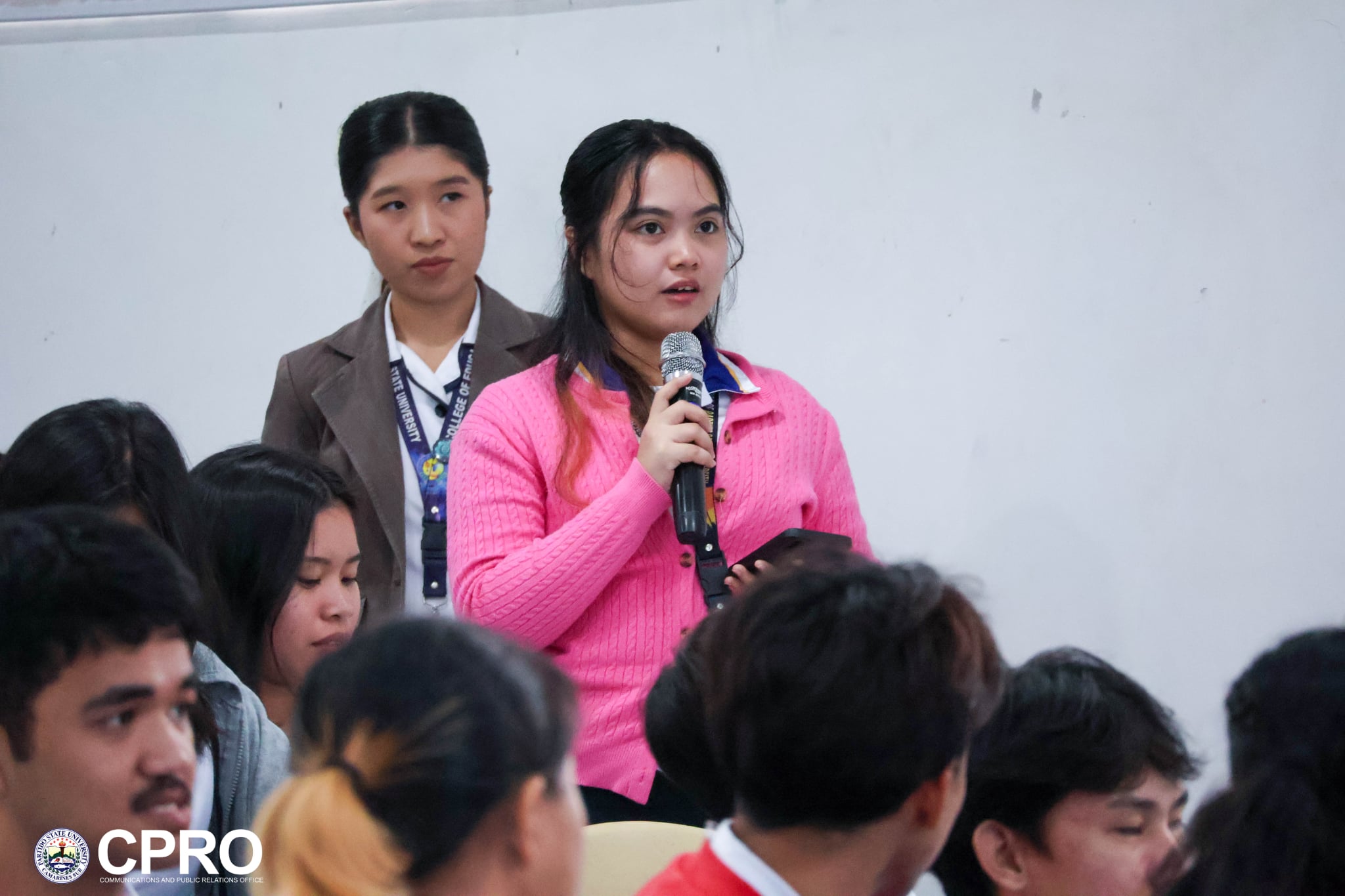
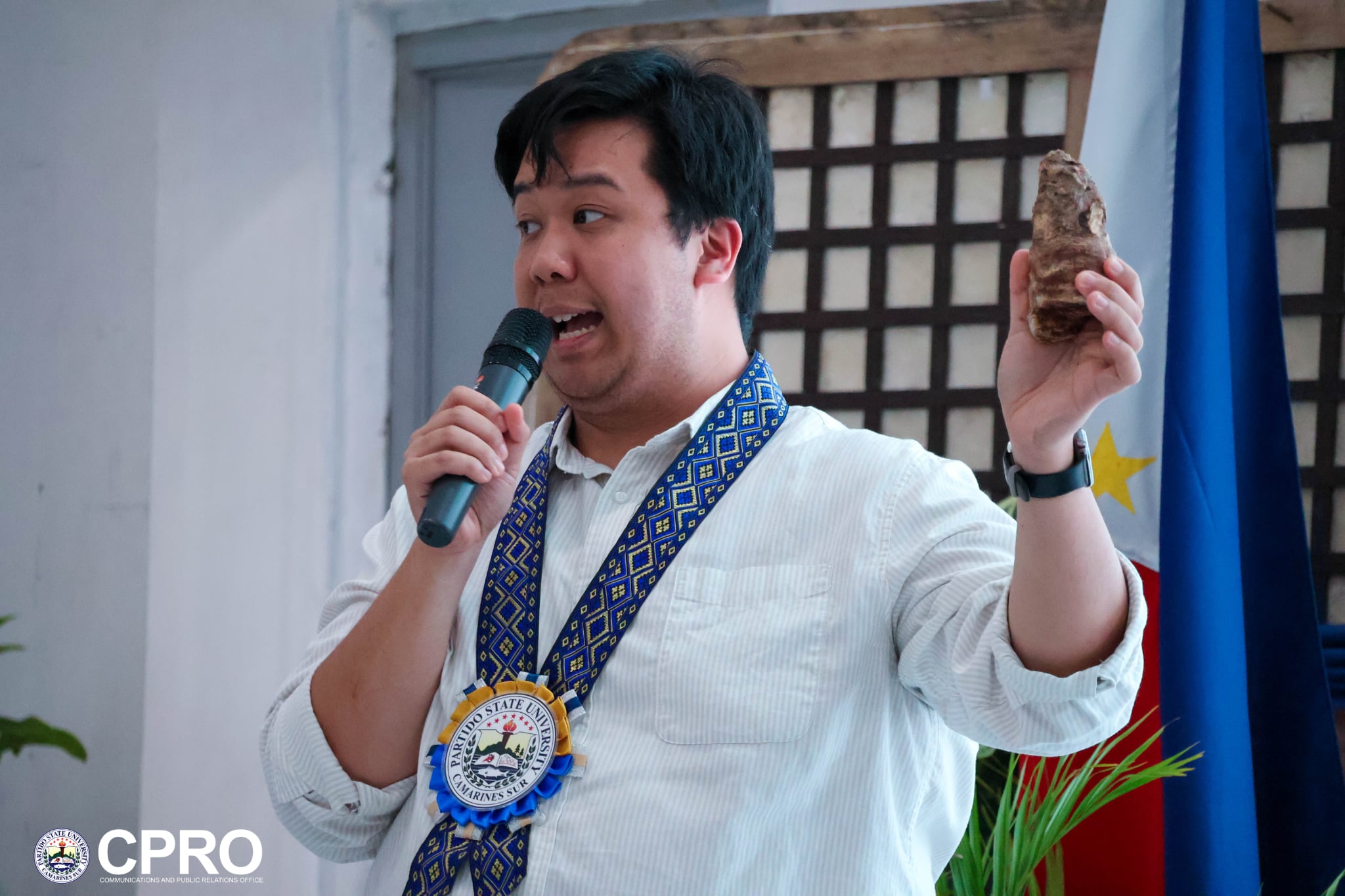
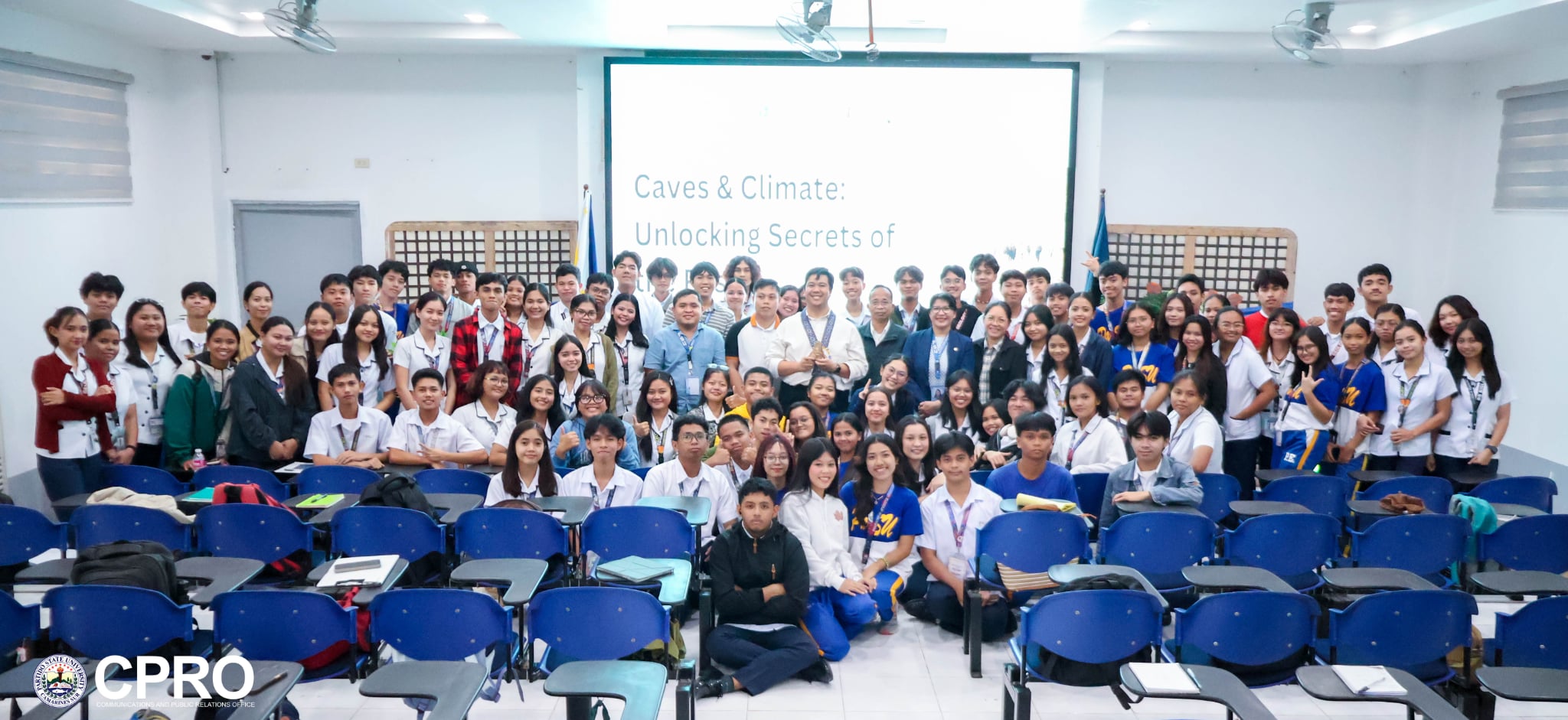
Following the fieldwork, a Lecture titled "Caves and Climates: Unlocking Secrets of the Past" was held at the Peninsula Hall of the Caramoan Campus Hostel, bringing together students, faculty, and researchers. Mr. Yambing discussed key principles of paleoclimatology and analytical methods involving ice cores, marine and lake sediments, tree rings, and cave proxies, highlighting how long-term climate reconstructions inform present-day climate analysis, enhance predictive models, and support risk assessment in climate-vulnerable regions such as the Philippines.
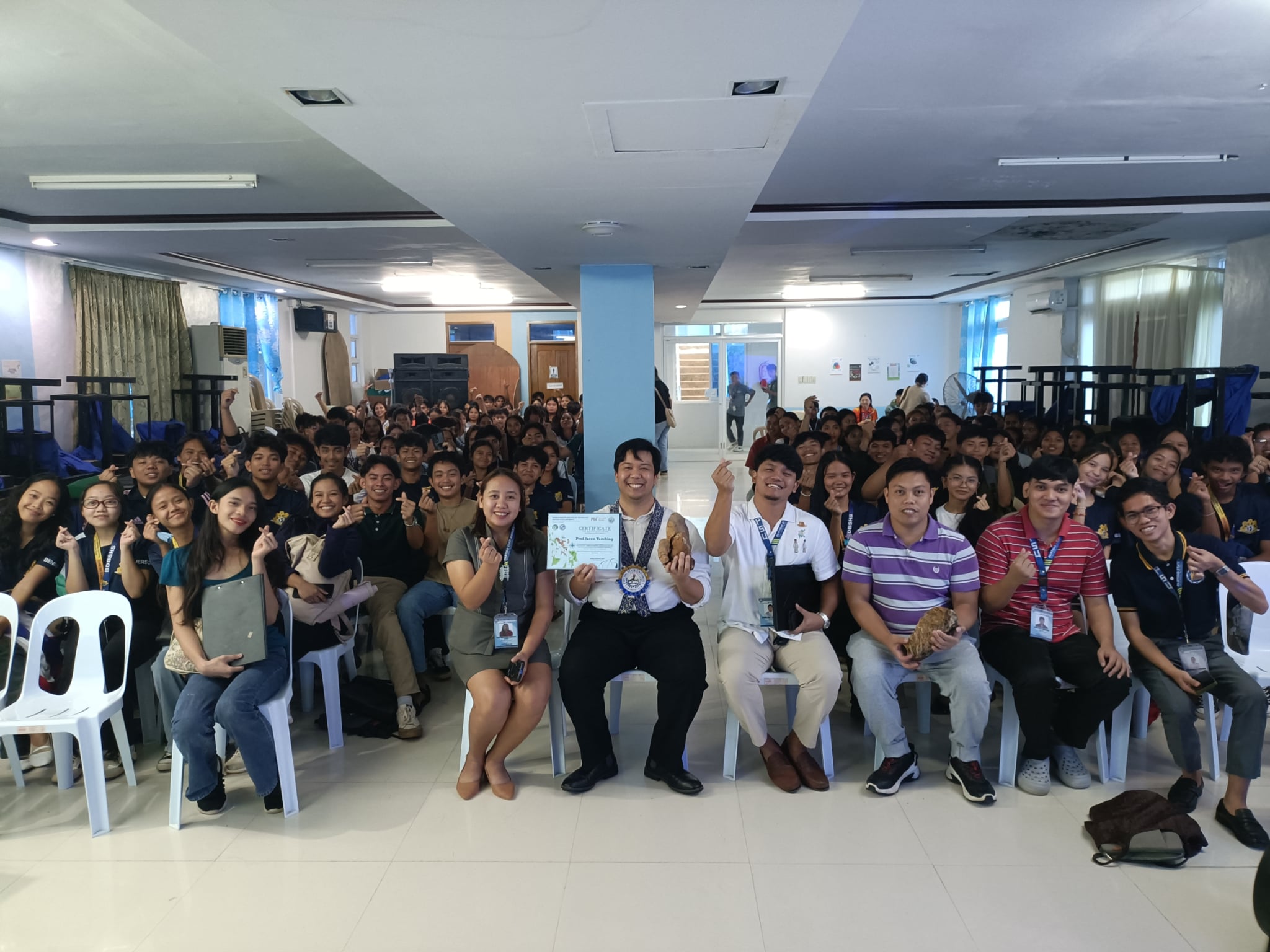
The lecture series continued on February 12, 2026, at the CED Review Training Center, where additional participants from the College of Science and College of Education joined discussions on interdisciplinary research integration, climate data interpretation, and collaborative opportunities under the SEACARE framework. These sessions provided a platform for technical exchange, enabling faculty and students to identify potential thesis topics, research partnerships, and capacity-building initiatives in climate and environmental sciences.
University officials emphasized that the integrated academic and field-based activities were designed to deepen student and faculty understanding of paleoclimate science and climate reconstruction methodologies, assess selected cave systems in Camarines Sur for their potential as future interdisciplinary research sites, and further strengthen institutional linkages between ParSU and international research networks. The initiative is expected to foster sustained research interest in climate and environmental studies, identify viable local paleoclimate archives for future investigation, and reinforce long-term collaboration in climate resilience research across Southeast Asia, reaffirming Partido State University's commitment to advancing scientific inquiry, promoting responsible environmental stewardship, and contributing to regional and global climate action and sustainable development.
This activity was made possible through the initiative and support of the Office of the University President, the Office of the Vice Presidents, the International Affairs Office, Museo de Isarog, College of Science (CoS), College of Sustainable Communities and Ecosystems (CSCE), College of Education (CEd), College of Hospitality and Tourism Management, Geological Organization of Partido State University (GO-ParSU), and Science for the Promotion of Health, Environment, and Research Education (SPHERE) Organization.
𝘞𝘪𝘵𝘩 𝘳𝘦𝘱𝘰𝘳𝘵𝘴: 𝘚𝘢𝘳𝘢𝘩 𝘔𝘢𝘺 𝘘𝘶𝘦𝘳𝘶𝘣𝘪𝘯
𝘗𝘩𝘰𝘵𝘰 𝘤𝘳𝘦𝘥𝘪𝘵𝘴: 𝘚𝘢𝘳𝘢𝘩 𝘔𝘢𝘺 𝘘𝘶𝘦𝘳𝘶𝘣𝘪𝘯; 𝘋𝘪𝘢𝘯𝘢 𝘙𝘰𝘴𝘦 𝘊𝘢𝘮𝘱𝘦𝘩𝘪𝘰𝘴