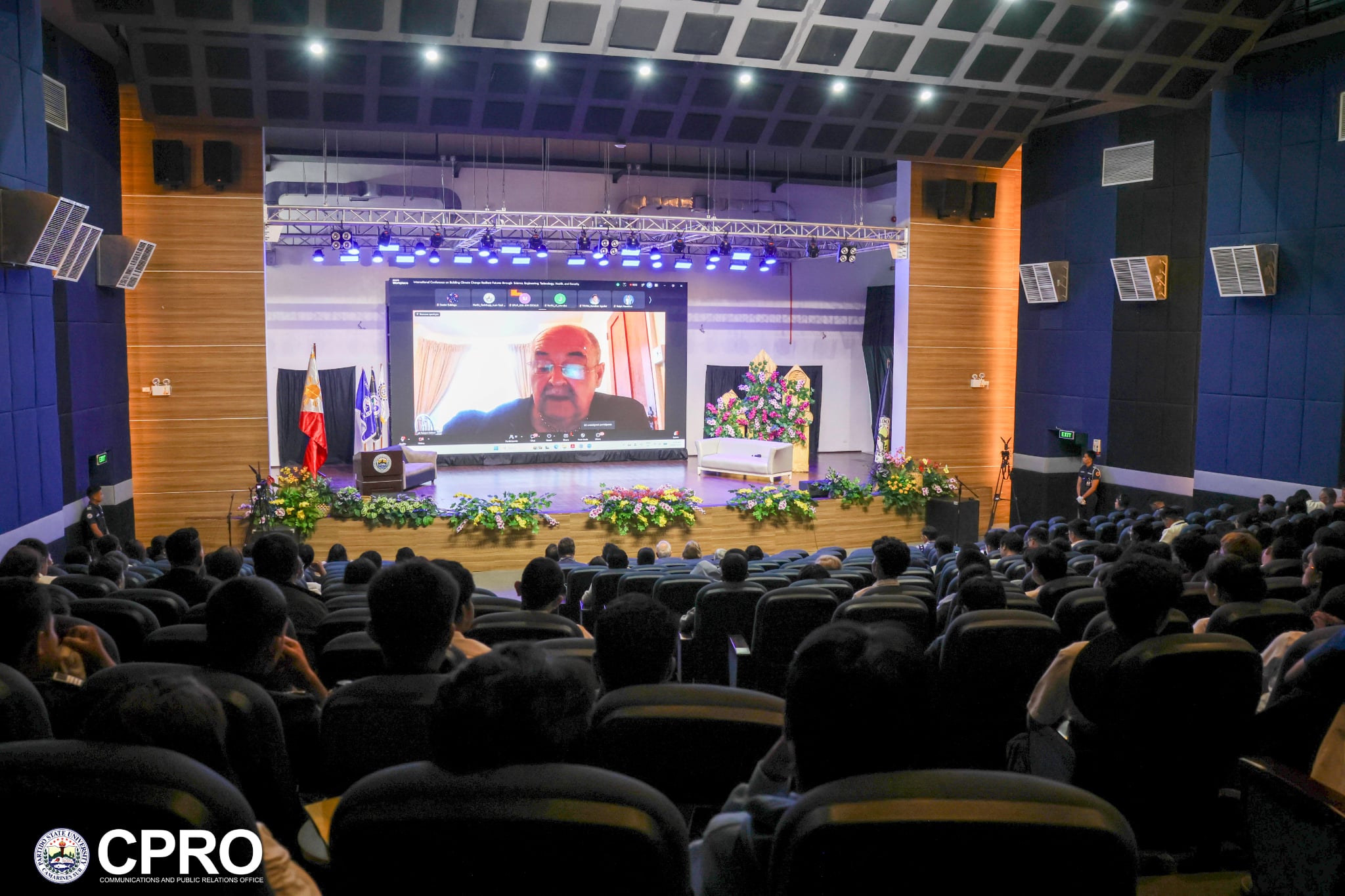
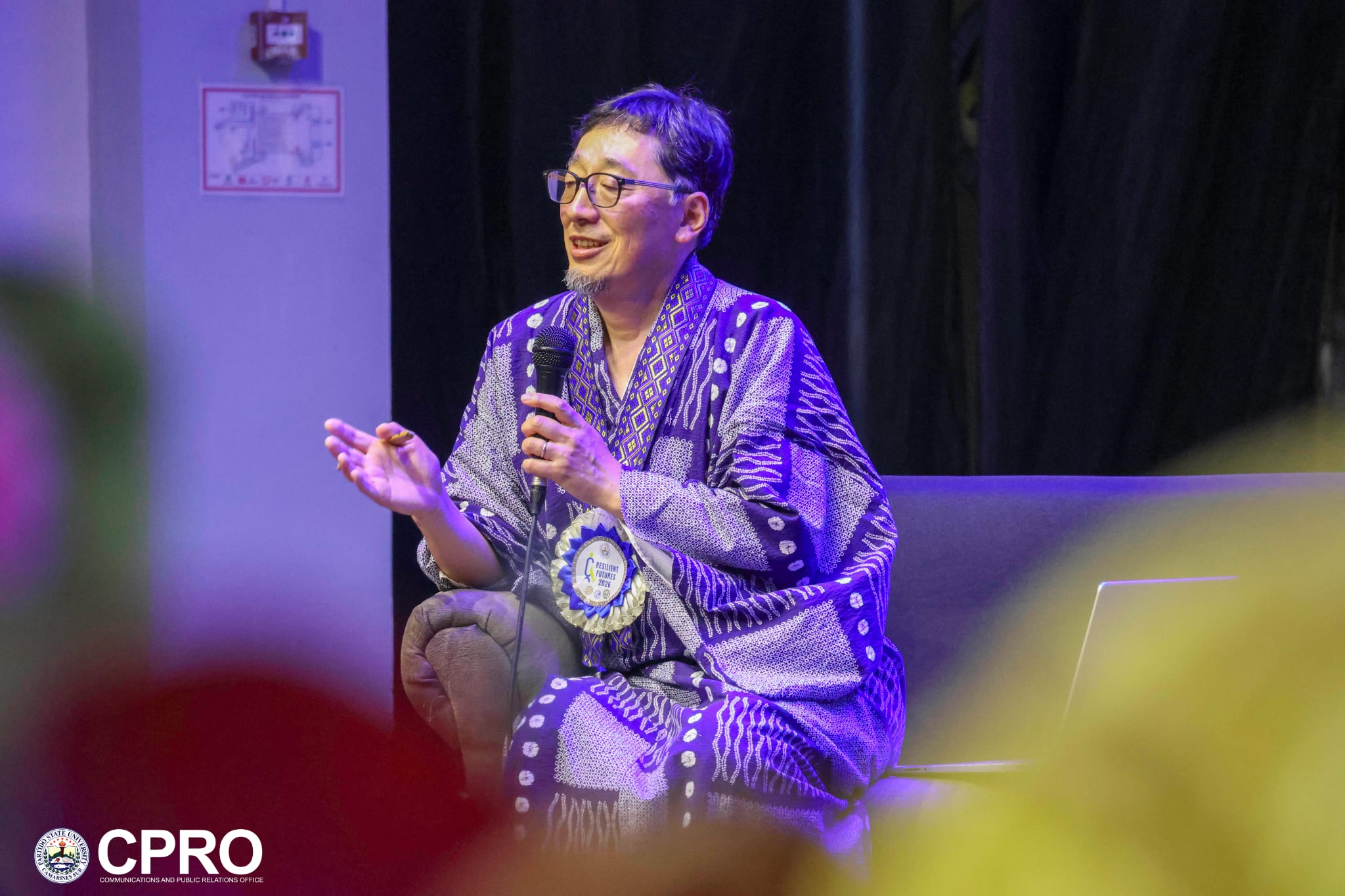
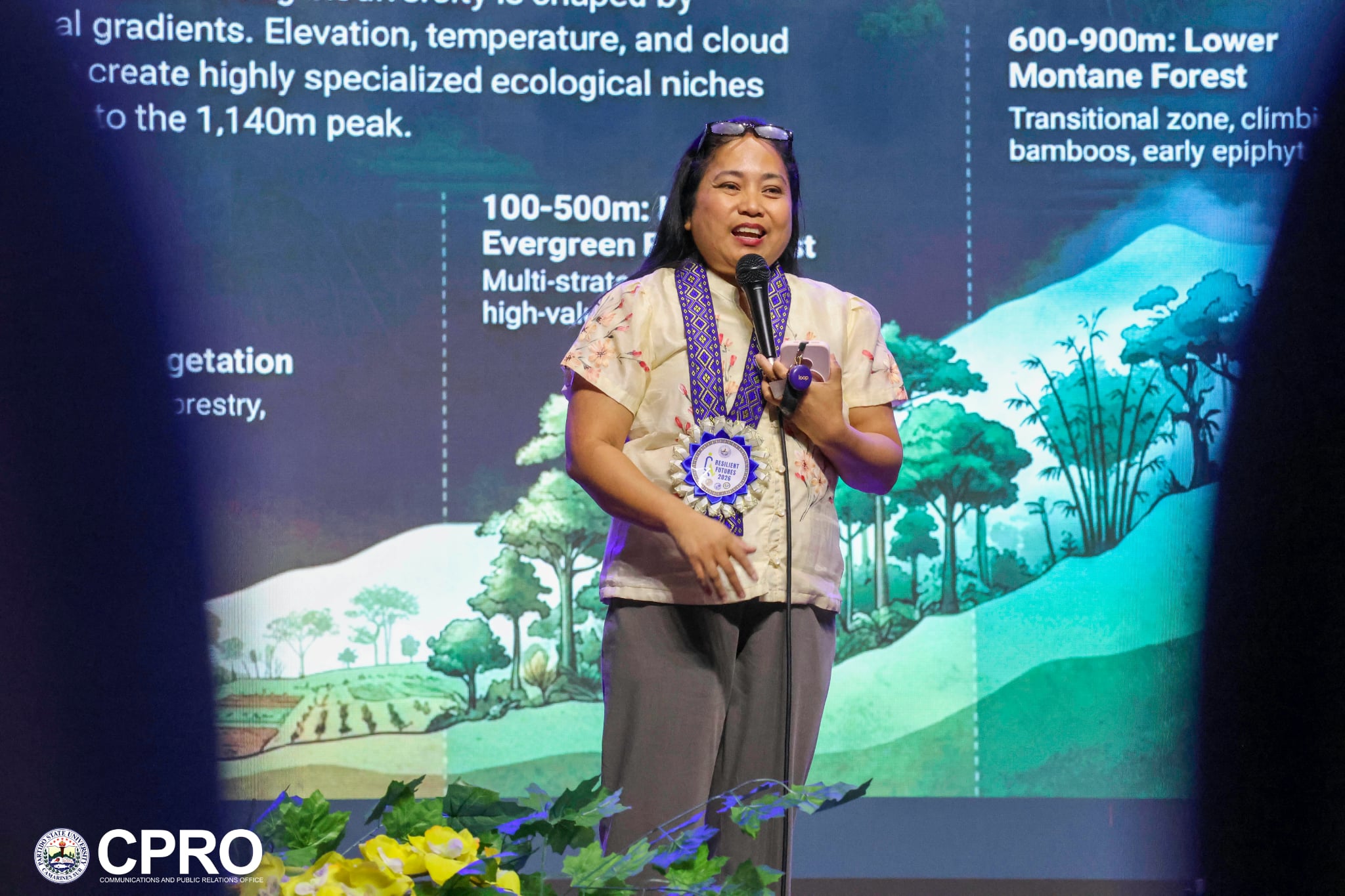
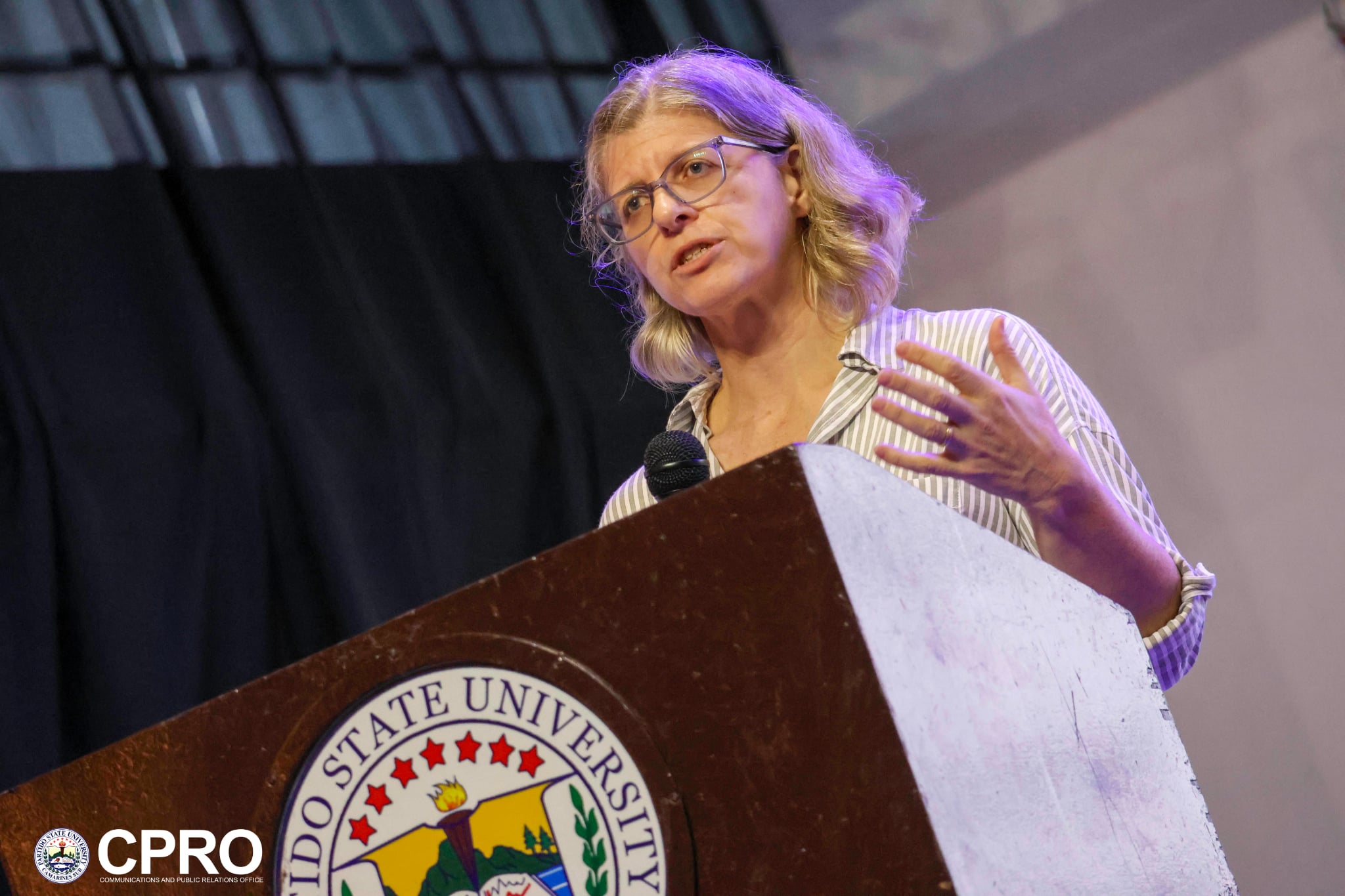
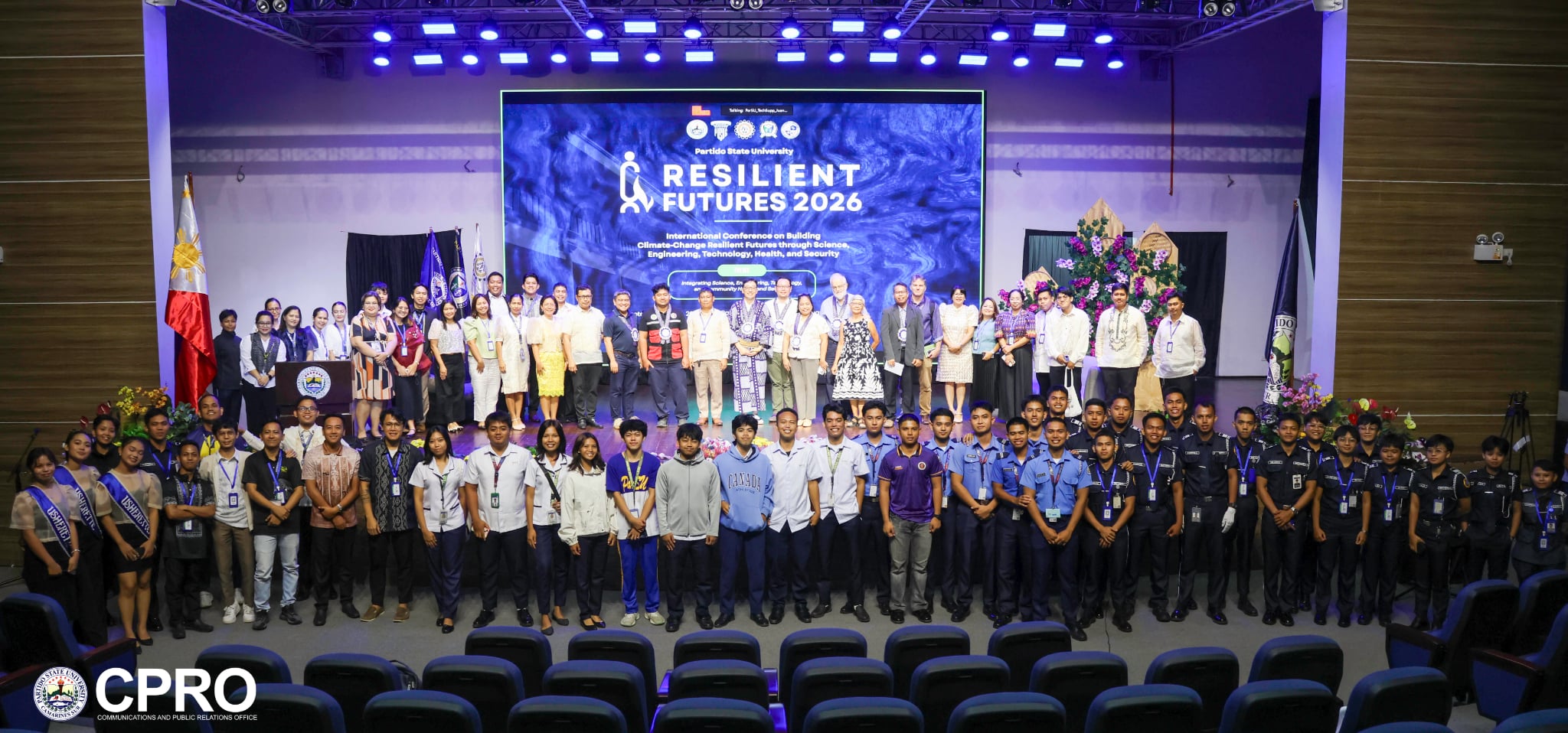
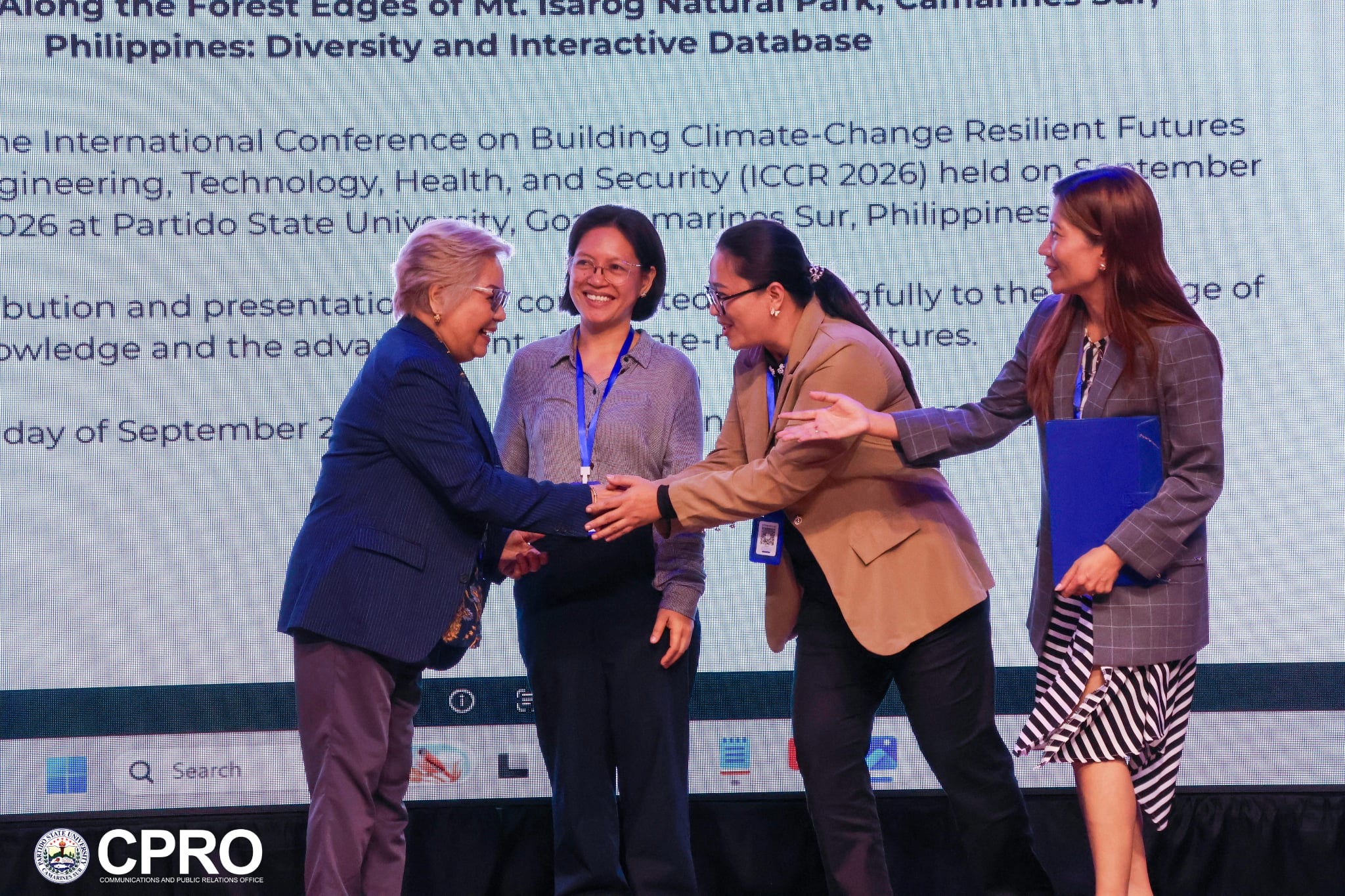
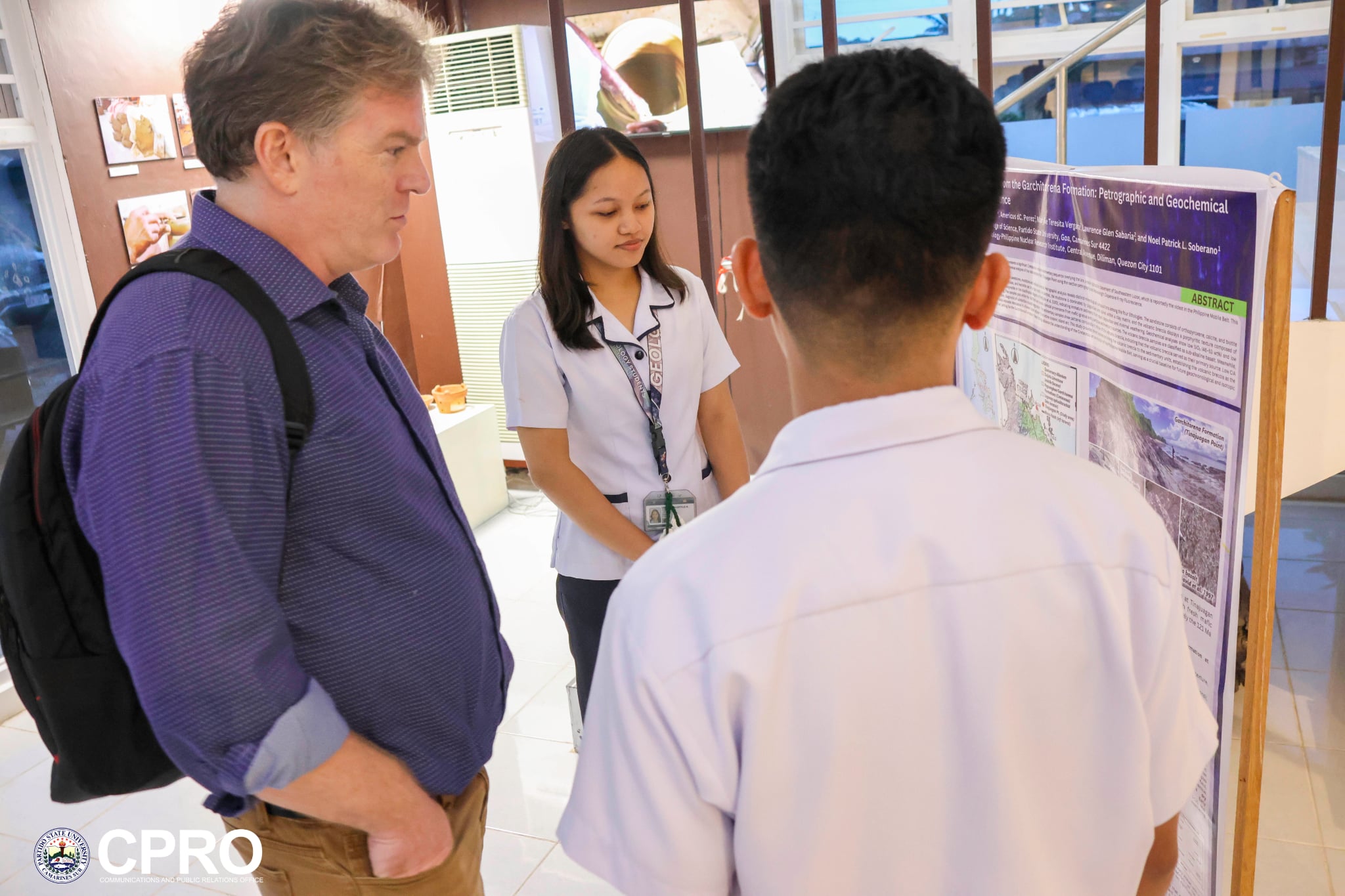
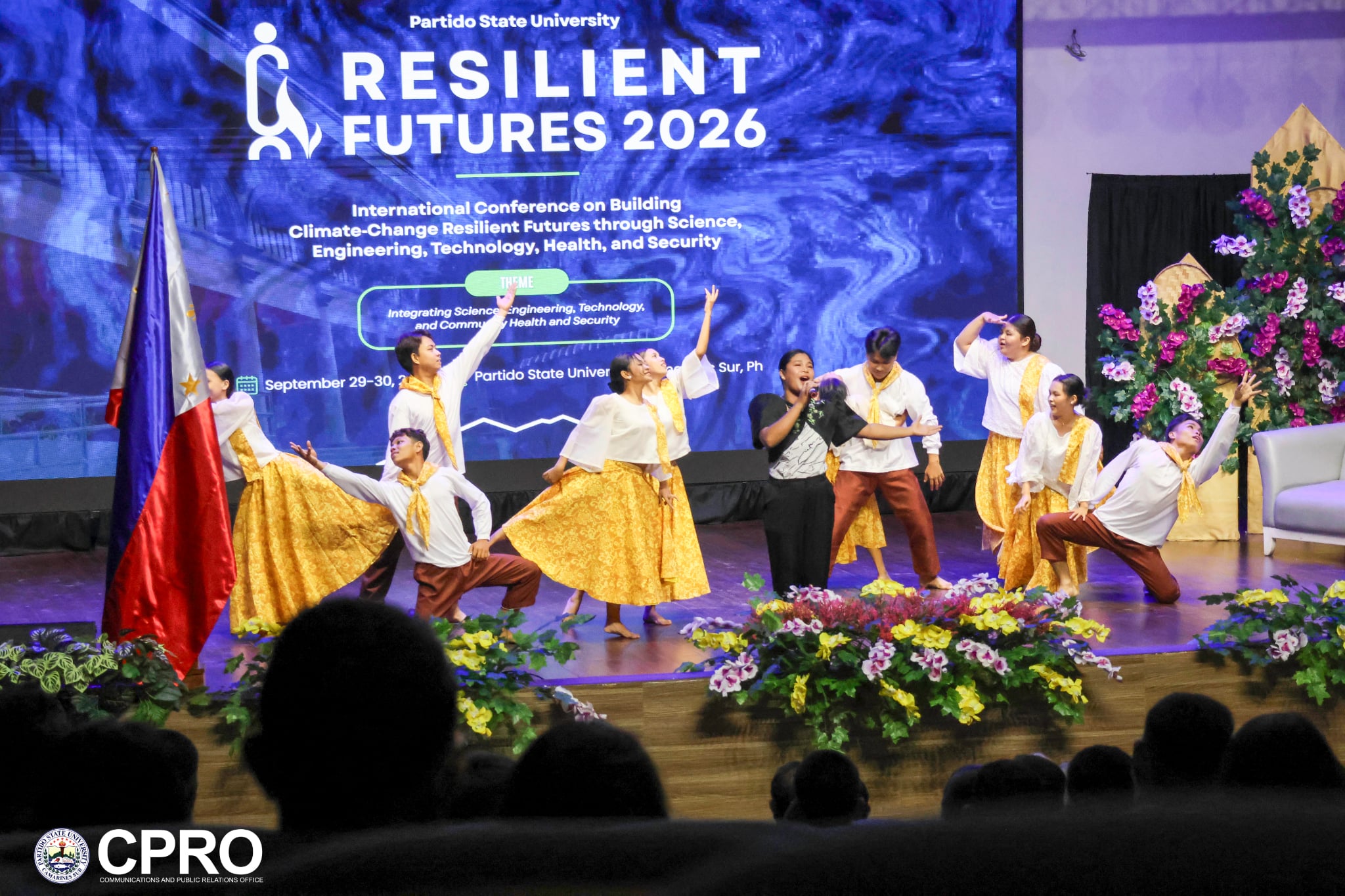
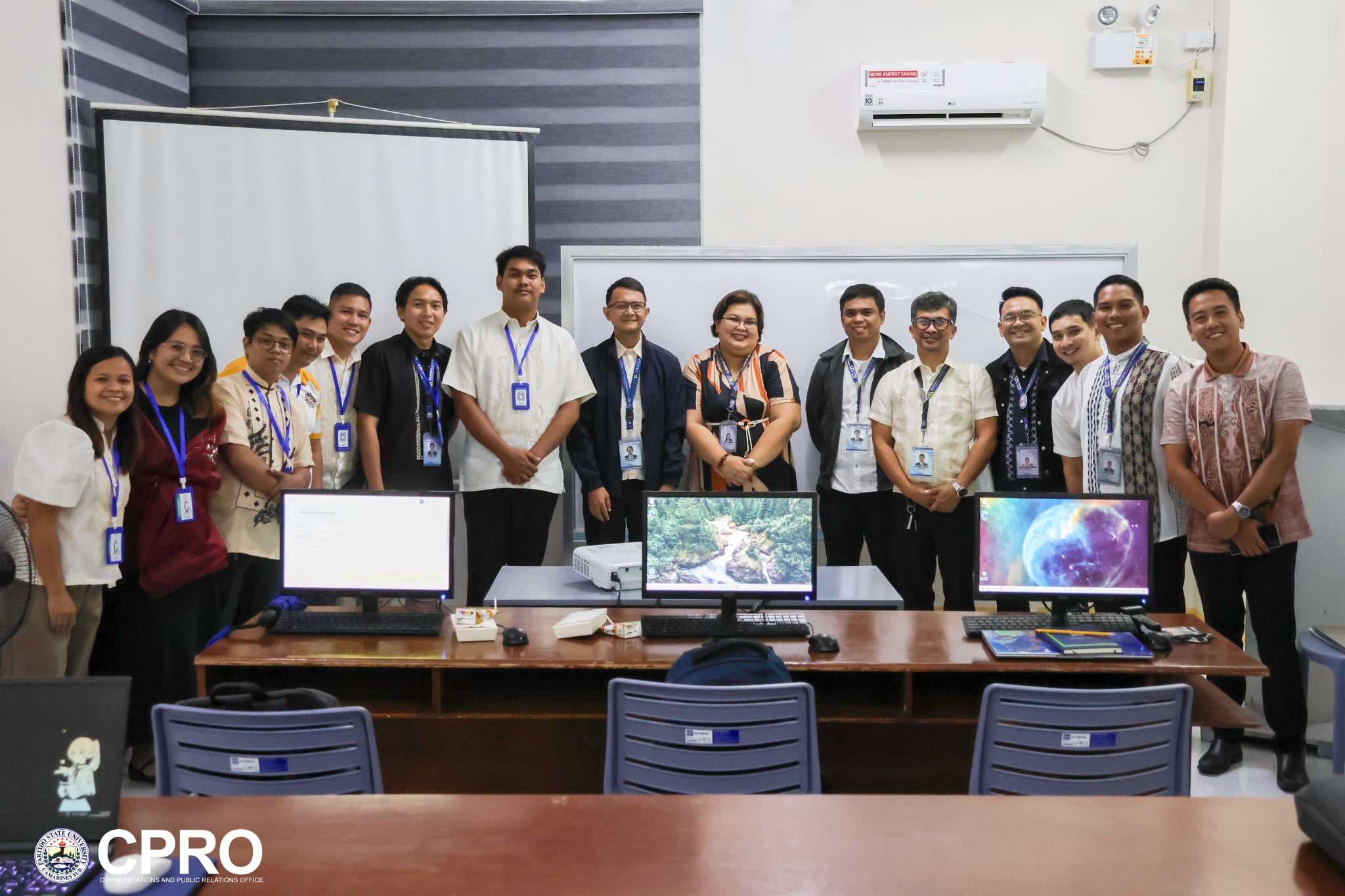
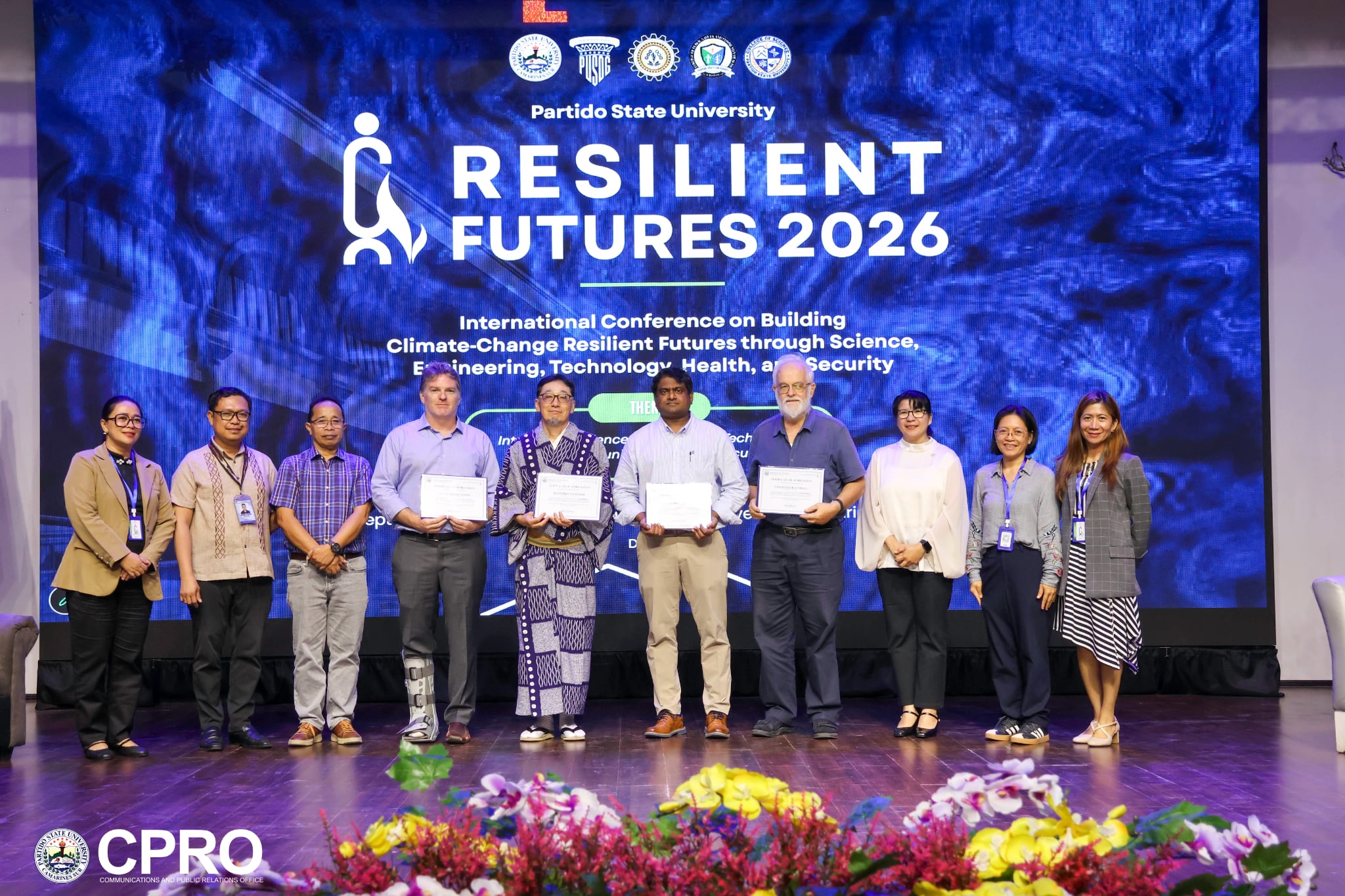
Partido State University concluded the International Conference on Building Climate-Change Resilient Futures (ICCR 2026) on September 30, 2026, at the ParSU Auditorium in Goa, bringing together local and international experts to examine how science, engineering, public safety, community health, environmental research, and Indigenous knowledge can contribute to more climate-resilient communities.
Held over two days with onsite and online participation, ICCR 2026 provided a venue for researchers, educators, practitioners, and experts from the Philippines and abroad to exchange knowledge on climate-related risks and discuss approaches that address both global challenges and local realities.
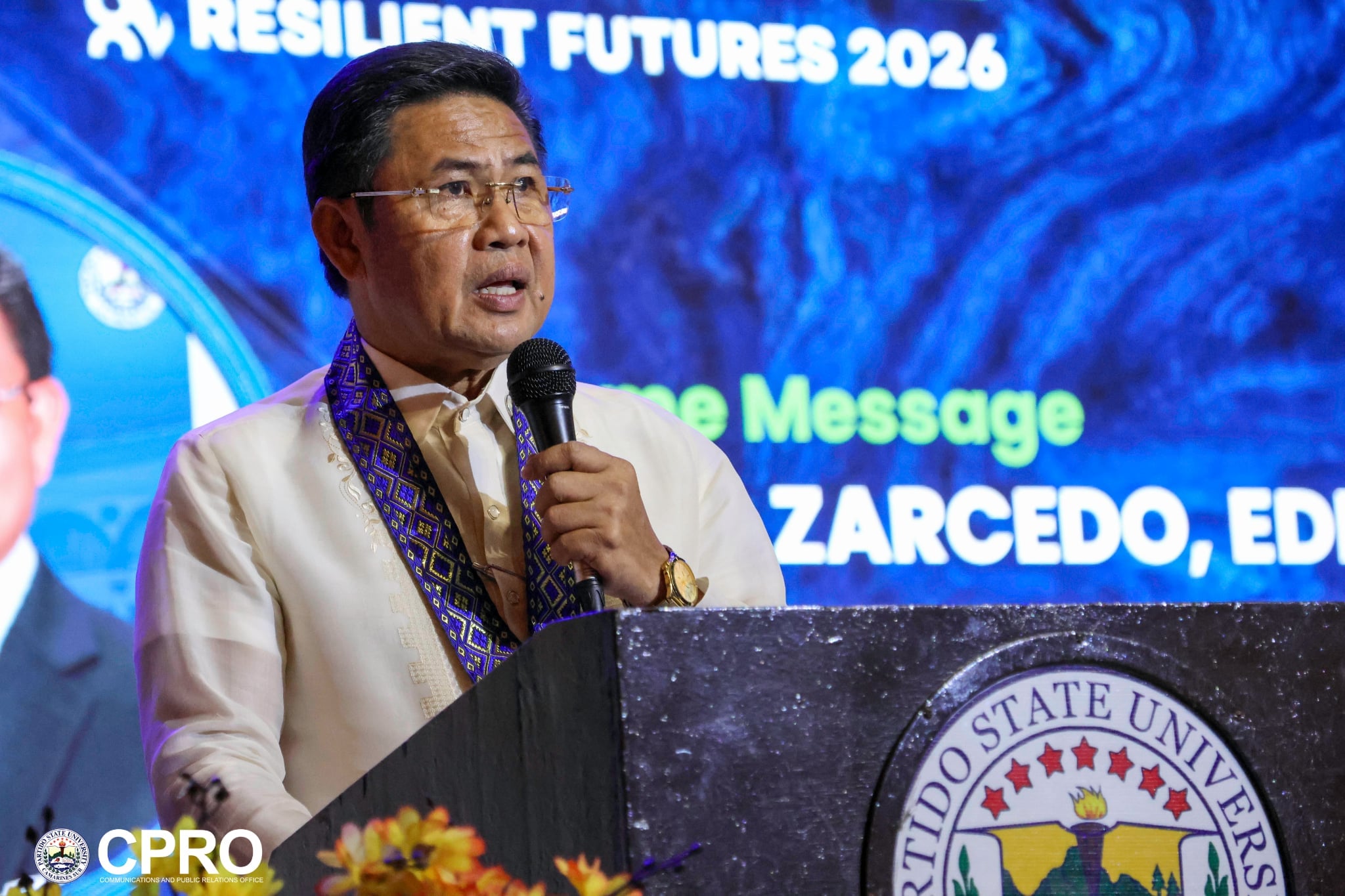
In his message, ParSU President Dr. Arnel B. Zarcedo encouraged participants to move beyond theory and consider how research can translate into solutions that communities can use.
He urged researchers and experts to examine how their work can inform community decisions, contribute to safer and more responsive infrastructure, and make disaster preparedness more timely and inclusive.
“Climate resilience will not be built in a single conference,” Dr. Zarcedo said. “It will be built through the partnerships we sustain, the solutions we test, and the communities whose lives become safer and stronger because of what we do.”
The College of Engineering and Computational Sciences, the College of Sciences, and the College of Public Safety and Community Health jointly organized ICCR 2026, bringing together disciplines that intersect in addressing climate-related risks.
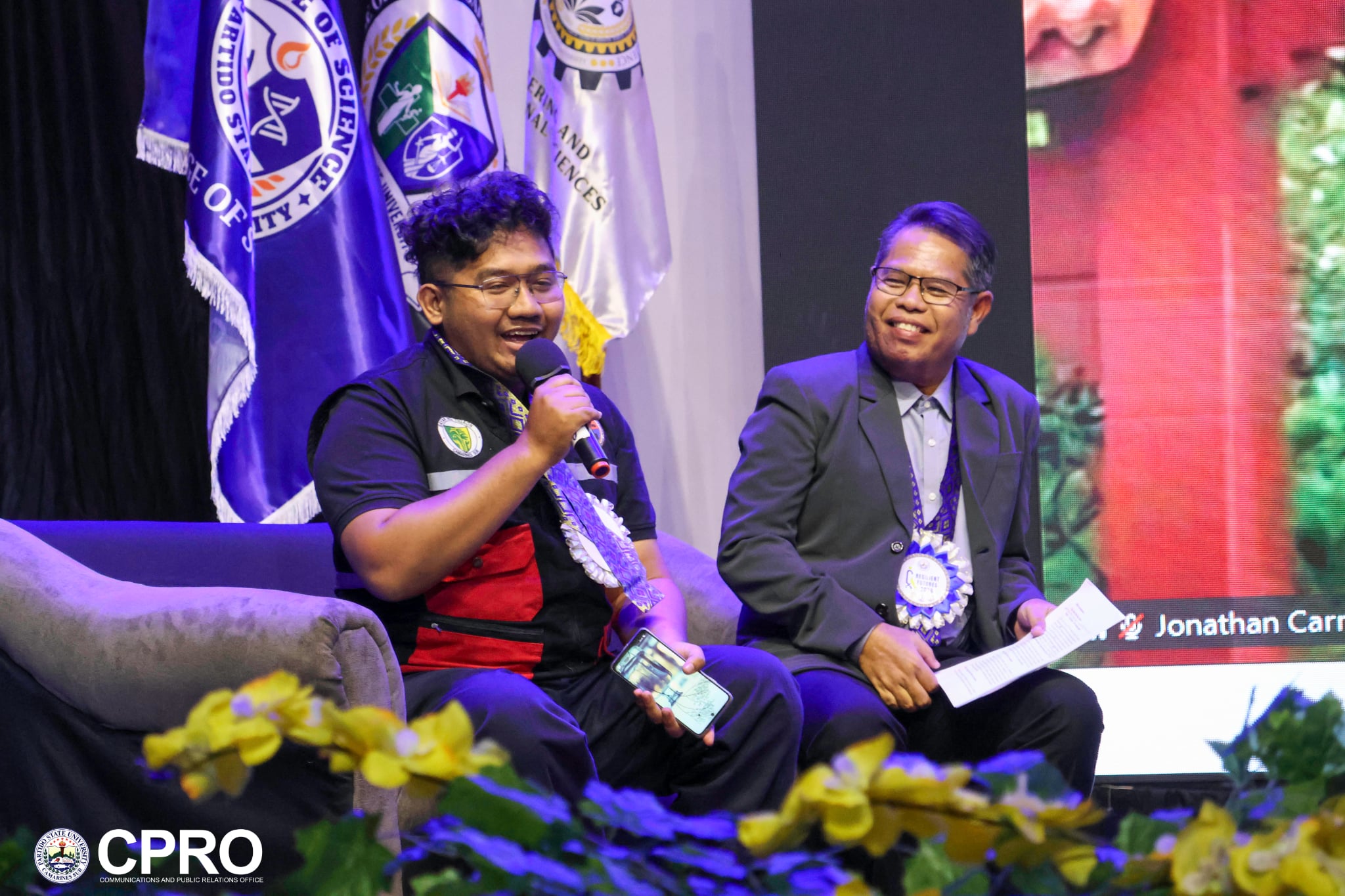
The conference opened with discussions on advances in Earth and climate science, environmental monitoring, and biodiversity conservation. The panel featured Prof. Jahmaine Renzo Yambing of the Massachusetts Institute of Technology, ParSU researcher Liezel Atole, Prof. Ivy Amor Lambio of the University of the Philippines Los Baños, and Dr. Karl Jabagat of National Chung Cheng University.
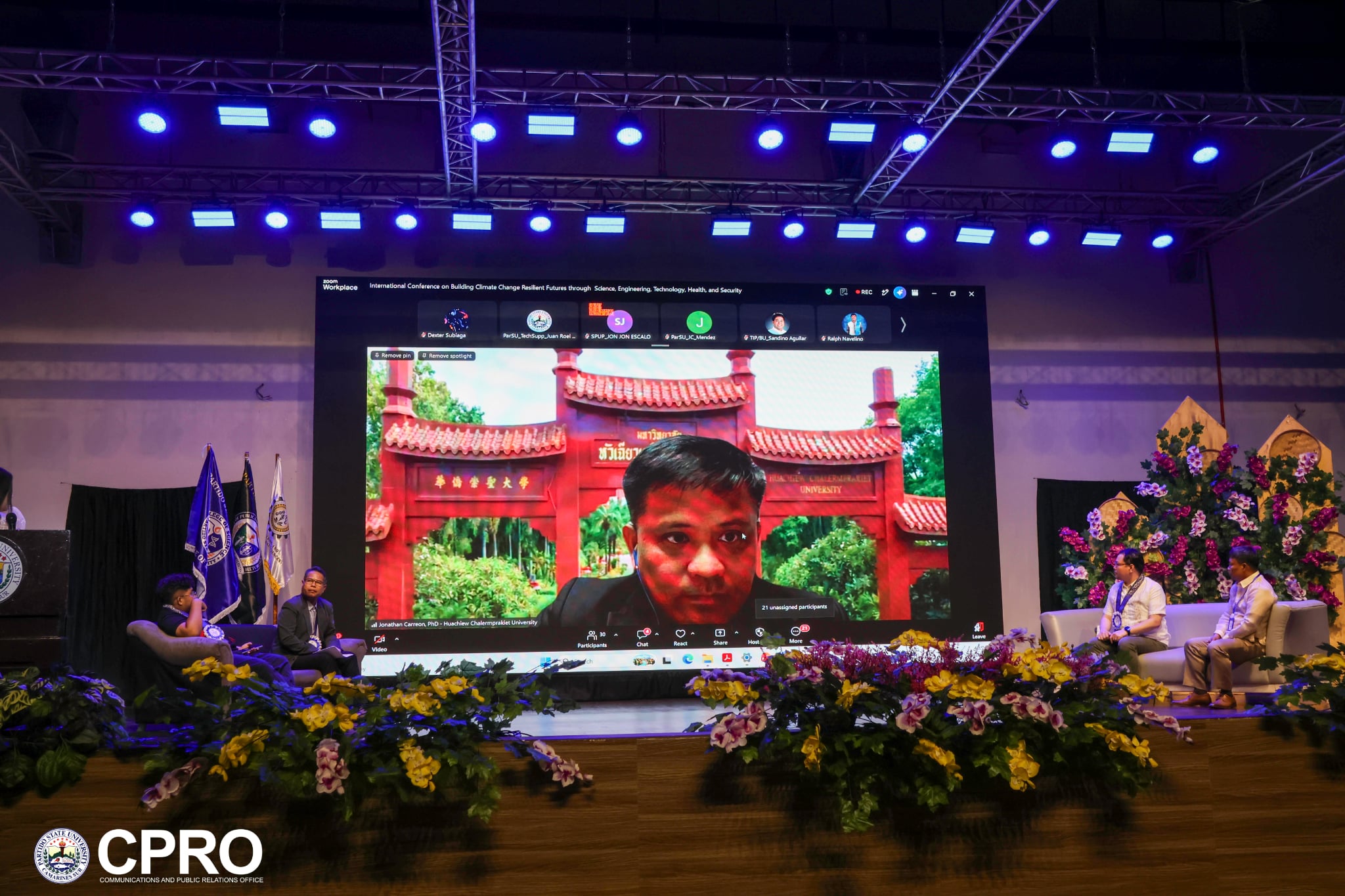
The first day also examined community health, disaster risk reduction, and public safety, with discussions that connected scientific and technical approaches to the realities communities face during climate-related hazards. Speakers included ParSU’s Dr. Ariel Barreda, Mel Vincent Gumboc of the MDRRMO Tigaon, Robby Carlo Tan of Wageningen University and Research and DOST-FNRI, Prof. Charlie Balagtas, and Jonathan Rante Carreon of Huachiew Chalermprakiet University.
Day 2 shifted to climate-adaptive infrastructure and engineering solutions, featuring ParSU’s Dr. Anabella Vilando, Catie Ryan Balagtas of The Journal of Biophilic Design, and Mark Gino Galang of AIMEN Centro Tecnológico.
The conference also highlighted Indigenous knowledge and local climate-resilience practices as important sources for understanding and responding to climate risks. ParSU’s Darwin Plaza and Dr. Rowell John Artiaga joined Dr. Jan-Michael Cayme of De La Salle University and Justeen Frances Manuel-Hollon of Sorsogon State University in the discussions.
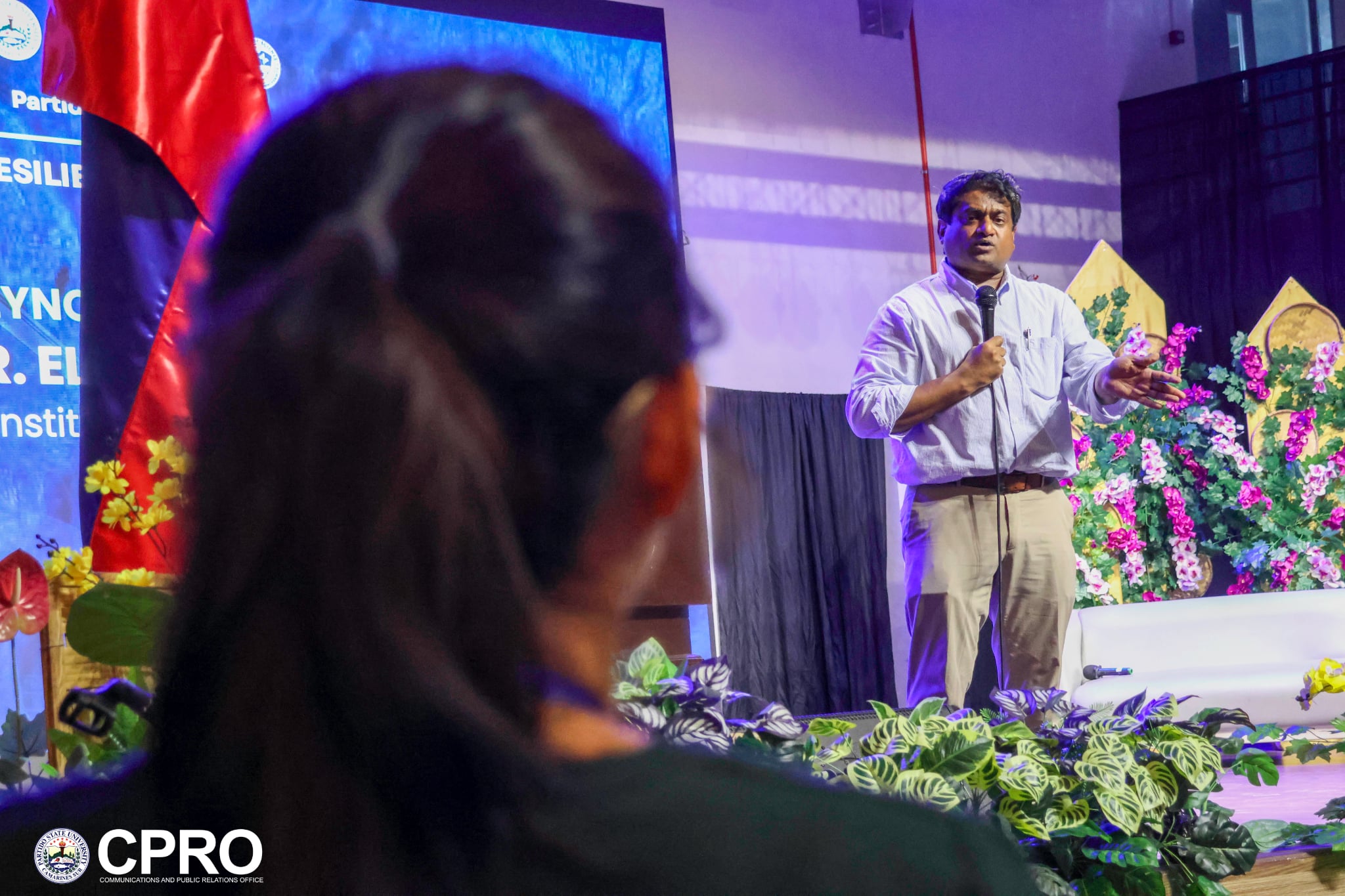
Keynote presentations expanded the conference’s multidisciplinary discussions, covering forensic science policy, resilient ecotechnologies, environmental and wildlife law, Indigenous geography, among others.
Keynote speakers were Prof. Robert Green, OBE of the University of Kent; Dr. Eldon R. Rene of IHE Delft; Prof. Mitsuhiko Takahashi of the University of Toyama; Prof. Da Wei Kuan of National Chengchi University; Prof. Veeriah Jegatheesan of RMIT University; Dr. Nurzal Efiyani Binti Ghazali of Universiti Teknologi Malaysia; Dr. Daniel Nover; and world-renowned volcano scientist Dr. Christopher G. Newhall, who shared insights drawn from nearly five decades of work in eruption forecasting and volcano-climate interactions. ParSU’s Dr. Raul Bradecina also joined the keynote lineup.
By bringing these discussions to ParSU, ICCR 2026 connected Bicol-based research and local knowledge with international perspectives on climate resilience, highlighting the importance of collaboration across disciplines and knowledge systems in developing solutions that respond to the realities of communities.
Through the conference, ParSU continues to serve as a venue for knowledge exchange and collaboration on climate and other concerns affecting the region and the wider global community.